If you have ever stood on the palm-fringed shores of the Malabar coast, cruised through the tranquil backwaters of Alleppey, or breathed in the crisp, spice-scented air of Munnar, you know that the southwestern tip of India is nothing short of magical. Globally, this lush, vibrant strip of land is celebrated as Kerala. However, a massive cultural and administrative shift has brought a beautifully nostalgic word to the forefront of national discourse: Keralam.
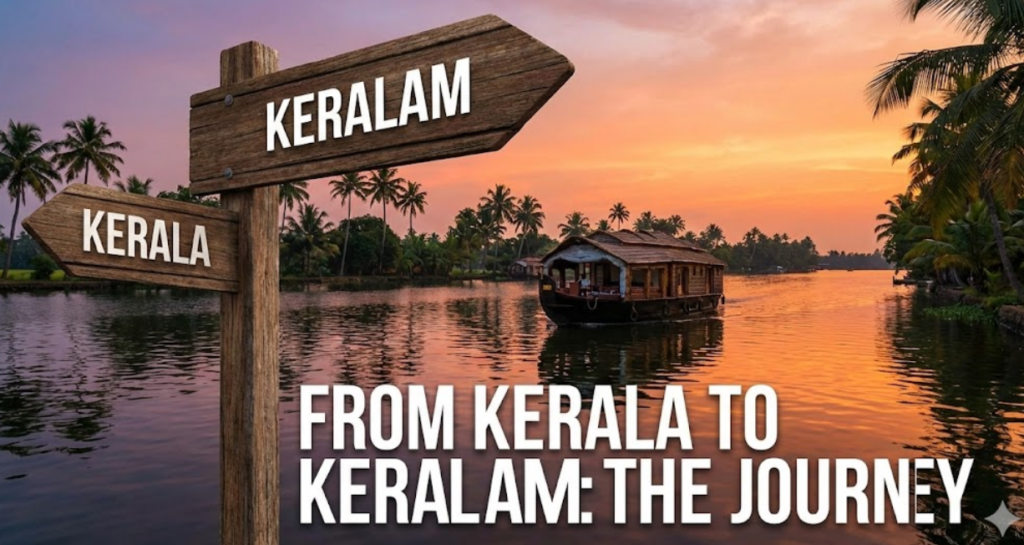
The recent move by the state legislative assembly to officially change the name from Kerala to Keralam has sparked immense curiosity, joy, and a flurry of questions across the globe. Why the change? What does it mean? And how does it impact the identity of the millions of Malayalis scattered around the world?
In this comprehensive, deep-dive article, we will explore the Kerala name change, the rich history behind the word, the linguistic nuances, and how the essence of nammude keralam (our Keralam) flows through everything from government initiatives to food, media, and daily life. Grab a cup of strong filter coffee or a glass of warm chukku kaapi, and let’s embark on this beautiful journey.
1. The Big Debate: Kerala vs Keralam
To the outside world, the state has always been Kerala. It is the name printed on maps, taught in geography books, and stamped on official passports. But if you ask a native speaker to say the name of their state kerala in malayalam, they will almost always say Keralam.
The ongoing discussion of kerala or keralam is not a new linguistic battle; it is a bridge between the Anglicized version of the state’s name and its true, native resonance. For decades, Malayalis have felt a slight disconnect between what the world calls their home and what they call it in their mother tongue. The push for the keralam name change is essentially an act of reclaiming the state’s linguistic and historical roots.
When news first broke that the government was officially requesting the central government to amend the Constitution so that kerala renamed as keralam, social media erupted. Debates raged, historians rejoiced, and the keralam news cycle went into overdrive. But to truly understand why this matters, we must dig into the etymology.
2. Decoding the Etymology: What is the Meaning of Keralam?
If you have found yourself typing “what is the meaning of keralam” or “keralam means what” into a search engine recently, you are not alone. The origins of the name are deeply fascinating and rooted in both geography and ancient history.
There are two widely accepted theories regarding the meaning of kerala (and subsequently, Keralam):

- The Land of Coconuts (Kera + Alam): In Malayalam, the word Kera means coconut tree, and Alam refers to land or location. Therefore, Keralam meaning translates beautifully to “The Land of Coconuts.” Anyone who has looked at a keralam map or flown over the state knows that this is a stunningly accurate description. The state is blanketed by a dense, unbroken canopy of coconut palms.
- The Land of the Cheras (Chera + Alam): Historically, the region was ruled by the mighty Chera Dynasty, one of the principal lineages of early southern India. Scholars argue that “Cheralam” eventually evolved over centuries of linguistic shifts into “Keralam.”
For Hindi speakers curious about the keralam meaning in hindi, it translates directly to Nariyal ka Desh (Land of Coconuts) or simply represents the native, un-Anglicized identity of the state. Interestingly, because of regional dialects and the way words are typed on the internet, you will often see people accidentally misspelling it as kerlam or kerelam. Regardless of how you spell it, the soul of the word remains the same.
3. The Official Move: Kerala Changed to Keralam
So, why is the kerala new name making headlines now?
In a unanimous resolution passed by the state legislative assembly, the government formally requested the Centre to change the state’s official name. The resolution argued that while the state is called “Keralam” in Malayalam, it is still listed as “Kerala” in the First Schedule of the Constitution. The goal of the kerala name changed to keralam movement is to ensure uniformity across all languages listed in the Eighth Schedule of the Constitution.
This is not an unprecedented move in India. We have seen Bombay become Mumbai, Madras become Chennai, Calcutta become Kolkata, and Orissa become Odisha. The transition of the keralam name is a natural progression of decolonizing nomenclature and honoring the vernacular identity. The kerala name change is a proud moment for locals, solidifying the phonetic beauty of their mother tongue in official government records.
4. The Cultural Pulse: Ente Keralam and Nammude Keralam
Beyond the legal and historical arguments, the word carries a profound emotional weight. The phrase ente keralam (My Keralam) and nammude keralam (Our Keralam) are not just slogans; they are sentiments. They evoke the smell of monsoon rain hitting the red earth, the sound of temple elephants, the rhythm of the chendamelam, and the sight of snake boats slicing through the Pamba river.
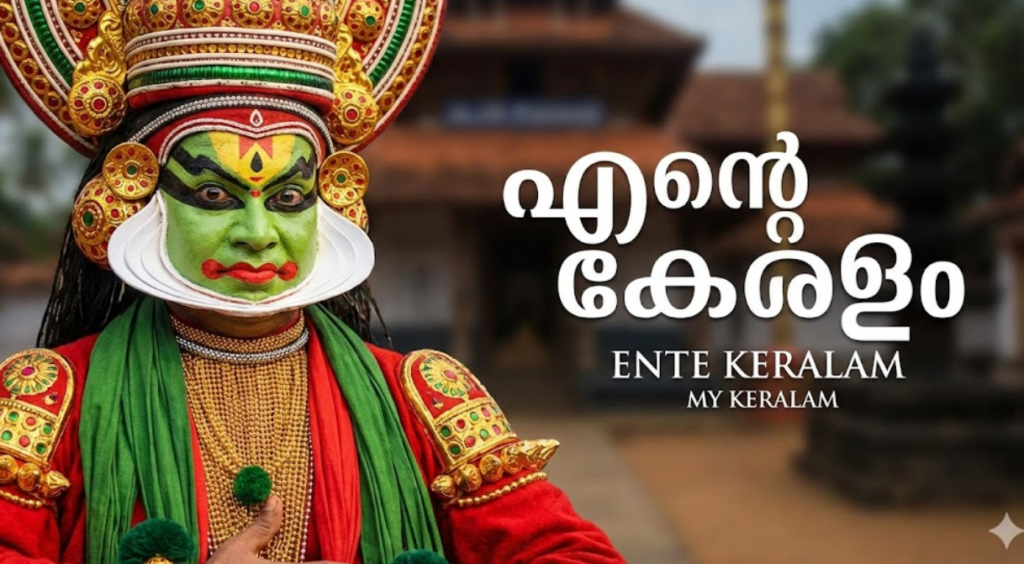
The state government frequently uses these emotive phrases to launch massive socio-economic and environmental campaigns. Let’s look at a few ways the native name is used to drive progress:
Haritha Keralam (Green Kerala)
The haritha keralam mission is a massive, multi-dimensional initiative aimed at sustainable development. It focuses on waste management, organic farming, and the conservation of water resources. By using the native name, the government appeals directly to the citizen’s love for their land, encouraging them to keep their Keralam clean, green, and ecologically balanced for future generations.
Karshika Keralam (Agricultural Kerala)
Similarly, the karshika keralam initiative focuses on reviving the agrarian roots of the state. In a land historically famous for its spices, rubber, and coconuts, this movement encourages the youth to return to farming, promoting self-sufficiency in vegetable and crop production.
Through these missions, the transition from kerala to keralam is not just about a name on a map; it is about taking ownership of the state’s future.
5. The Media and the Digital Sphere
The heartbeat of the state is vividly captured by its robust media and vibrant digital communities. Malayalis are known for being highly literate, politically aware, and fiercely opinionated. When the news of the name change broke, the media landscape—from traditional print to modern social platforms—was buzzing.
Traditional Giants: Mathrubhumi
Legacy newspapers like mathrubhumi dedicated extensive editorials and front-page coverage to the etymology and political journey of the resolution. Mathrubhumi, which literally translates to “Motherland,” has always been a staunch defender of the Malayalam language, making their coverage of the kerala keralam transition incredibly poignant and historically rich.
Entertainment: Zee Keralam
In the realm of entertainment, the native name has already been successfully commercialized and embraced. A perfect example is zee keralam, a highly popular Malayalam general entertainment channel. By choosing this name for their network, they immediately tapped into the local cultural ethos, broadcasting serials, reality shows, and movies that reflect the everyday lives of Malayali families.
The Digital Watercooler: Forum Keralam Twitter

If you want to know what the youth and the movie buffs are thinking, you head to social media. Communities like forum keralam twitter (often operating under various active handles and hashtags) act as the ultimate digital watercooler. It is here that the kerala vs keralam debate was dissected with memes, historical threads, and passionate arguments. These forums are usually dominated by updates on Malayalam cinema (Mollywood), box office tracking, and socio-political discourse, proving that the word is deeply embedded in the modern digital vernacular.
6. Experiencing Keralam Through Taste
One of the most powerful ways a culture exports its identity is through its cuisine. Long before the official government resolution, the hospitality industry realized the nostalgic and authentic power of the native name. For the Malayali diaspora living in major IT hubs or metropolitan cities across India, food is the fastest way back home.
Yumm Keralam in Bengaluru
If you find yourself in the bustling tech corridors of Bangalore craving a traditional Sadhya (the elaborate vegetarian feast served on a banana leaf) or a spicy Meen Pollichathu (fish roasted in banana leaf), you might end up at yumm keralam. Specifically, the yumm keralam whitefield branch has become a haven for IT professionals missing the taste of home. Searching for yumm keralam whitefield bengaluru reviews will show you how deeply people appreciate authentic coastal flavors. The use of the word in the restaurant’s name promises an unadulterated, homely experience that the Anglicized version of the word simply cannot convey.
Ente Keralam in Chennai
Similarly, over in Tamil Nadu, the brand ente keralam chennai has established itself as the gold standard for fine-dining Malayali cuisine. Their flagship location, ente keralam poes garden, is famous for its regal ambiance and meticulously curated menus that highlight the distinct culinary traditions of the state—from the fiery Moplah biryanis of Malabar to the rich Syrian Christian stews of central Travancore. When a patron walks into Ente Keralam, they are not just eating food; they are stepping into the cultural essence of the state.
7. The Luck of the Land: Suvarna Keralam Lottery
It is impossible to write a comprehensive guide about the state without mentioning its unique, highly regulated, and immensely popular state lottery system. The Kerala State Lotteries were established in 1967 and serve as a massive source of non-tax revenue for the government, funding various welfare schemes.
One of the most anticipated bumper draws in the state’s history was the suvarna keralam lottery. Translating to “Golden Kerala,” these special bumper lotteries are deeply woven into the socio-economic fabric of the working class.
Every day, millions of hopeful citizens wait eagerly to check the suvarna keralam lottery result. For many daily wage earners, auto-rickshaw drivers, and small business owners, buying a ticket is a small investment in a life-changing dream. At 3:00 PM on draw days, the entire state seems to hold its breath. People crowd around small lottery vendor stalls, refresh government websites on their smartphones, and search frantically for the suvarna keralam lottery result today. The lottery is more than just gambling; it is a government-backed system of hope, and naming it Suvarna Keralam adds an aura of prosperity and regional pride to the ticket.
8. What Changes and What Remains the Same?
As the bureaucratic wheels turn in New Delhi to officially process the kerala renamed as keralam request, many wonder what will practically change.
If the constitutional amendment is approved, we will see new maps, updated textbooks, and new government seals. The domain names might eventually shift, and official correspondence will proudly bear the new nomenclature.
However, what remains the same is the soul of kerala. The serene backwaters will continue to mirror the golden sunsets. The rolling hills of Wayanad will still be draped in a mystical morning mist. The vibrant festivals of Onam and Vishu will still be celebrated with unparalleled fervor.
The transition is not about altering the state’s identity; it is about affirming it. It is a loving embrace of the mother tongue. It is a declaration that while the world is welcome to visit and enjoy the beauty of “God’s Own Country,” the people who belong to the land will proudly call it by its true name.
Conclusion
The journey from Kerala to Keralam is a fascinating study in linguistics, post-colonial identity, and cultural pride. It is a testament to the fact that words hold incredible power.
Whether you are debating the meaning of kerala on forum keralam twitter, watching your favorite serial on zee keralam, eating a hearty meal at ente keralam poes garden, or waiting with bated breath for the suvarna keralam lottery result, the native name connects you to a rich, unbroken lineage of history and culture.
So, the next time you plan a trip to this tropical paradise, or the next time you hear the news about the keralam name change, remember that it is more than just a bureaucratic update. It is the sound of millions of people proudly saying, “This is nammude keralam.”